
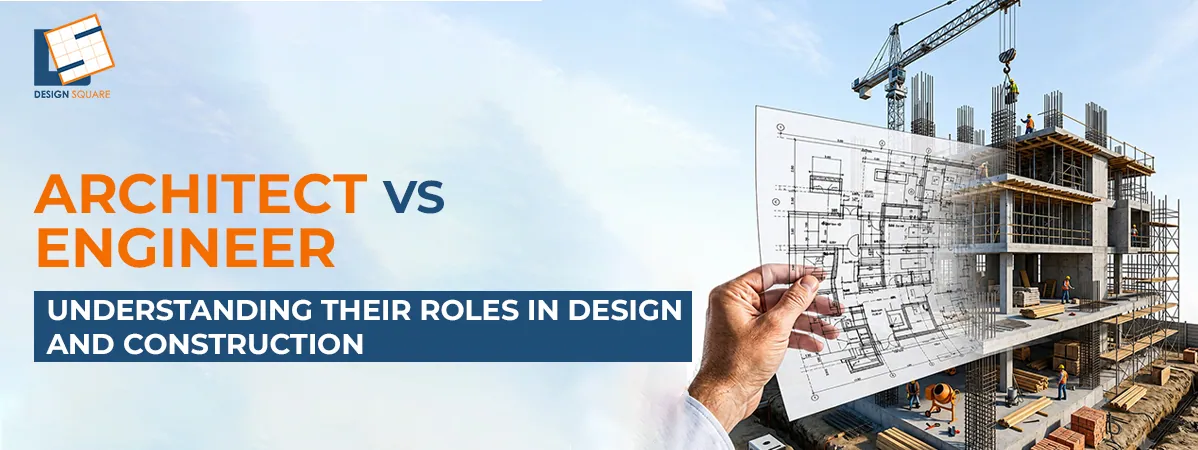
Architects and engineers have different jobs, but they're aiming at the same finish line. An architect shapes spaces that feel practical, comfortable, and good to look at. An engineer makes sure those same spaces are safe, sturdy, and built to hold up under daily use. Knowing this before starting any Design and Construction project can save time, cut unnecessary costs, and make the whole process go smoother. The strongest projects don't pick one professional over the other. They bring both in from day one.
What Does an Architect Actually Do?
An architect is usually the first person you bring into a building project. They listen to your ideas, learn how you live or run your business, and turn that into a workable design. Even before the construction process begins, they determine how the spaces will connect, the appearance of the structure, and the manner in which people will use it. It is a combination of both creativity and function in their profession, hence the outcome being an aesthetically pleasing yet functional building.
Another role of architects is to maintain constant communication with their clients, engineers, and builders even during the planning stage. They modify plans according to requirements and make sure that they conform to regulations and the client's preferences. Their planning becomes the foundation for all other processes to come.
Vision and Layout
An architect first visualizes how the building is to be used on a daily basis. This is followed by planning the size of each room, movement between the rooms, privacy, storage, lighting, and accessibility prior to coming up with the design. Unlike designing spaces for walls and doors, architects design spaces that meet the needs of the client. In addition, the designs are considered within the context of the budget and regulations.
Aesthetic and Experience
The architecture defines how a building will look and feel. The architect is responsible for selecting the materials used, proportioning the structure, designing the windows, lighting systems, and the outside elements that will define the building. However, they also take into account issues such as natural light, ventilation, and the experience of being in each one of the rooms.
What Does an Engineer Actually Do?
While the architect builds the vision, the engineer makes sure that vision can actually stand up. They work on the technical issues involved with the design and ensure that each element works as designed. Their calculations ensure that buildings remain stable, efficient, and reliable throughout their lifespan.
Engineers also plan around real conditions like earthquakes, heavy rain, and local climate. In Nepal, this is especially important because the structures have to withstand both seismic activity and climatic conditions throughout the year. This is exactly what their job consists of to ensure the safety of each project.
Structural Integrity
Structural engineers work out how much weight a building can safely carry, then design the foundation, beams, columns, slabs, and reinforcement to match. The structural system is determined according to the building's size, soil beneath it, and local requirements. It is especially important in countries such as Nepal where the seismic aspect should be considered. Without taking care of structural design, even the most beautiful building turns out to be dangerous.
Systems and Performance
Engineers also design the systems that shape how a building performs over time. They plan drainage, ventilation, water supply, electrical coordination, and how the building responds to climate, so it runs well all year. This work prevents future maintenance problems, conserves energy, and ensures that the building is functioning well during heavy rain, scorching heat, and general use.
Where the Two Roles Overlap
While architects and engineers do not have the same role in construction, there are many decisions which involve both creativity and science. The architect can decide to create an open living space. The engineer's job is to make sure the structure can actually hold that layout up. Some firms even have a role called "Architect Engineer" to bridge the two fields directly. More and more firms now have architects and engineers work side by side from the earliest planning stage instead of handing work back and forth. That teamwork leads to better Design and Construction decisions, because design ideas get checked against structural and technical needs before anyone breaks ground.
Why This Distinction Matters for Your Project
Knowing the difference between an architect and an engineer isn't just trivia. It influences your budget, lets you know whom you need to employ, and allows you to avoid making costly mistakes in the future. Both of them have their own strengths. However, using them properly avoids any problems.
Avoiding Costly Mistakes
Failing to plan due to the desire to save on architecture and engineering usually ends up costing more in the long run. An aesthetically appealing structure will be very difficult to construct without proper engineering. A perfectly engineered structure might end up being uncomfortable without the input of architecture. The lack of coordination will only result in redesigns and delays. Having both on board saves on many hassles.
Getting the Sequence Right
Strong projects tend to follow the same order. The architectural concept comes first, then engineering checks and validates it before construction begins. After both teams complete their task, the construction process will become much smoother with fewer unforeseen circumstances and greater assurance. This sequence of events ensures that there will be no last-minute changes. It also makes for a much smoother Design and Construction process from planning through to the finished building.
How Architecture and Engineering Come Together in Real Projects
Big building projects make it obvious why architects and engineers need to work as one team. Whether it's a home, hotel, office, school, or airport, every project has to balance how it looks, how safe it is, how comfortable it feels, and how well it lasts. A good design also needs to be realistic to build and to fit the local climate. Since one decision usually affects another, architects and engineers go back and forth on plans throughout the project. That back and forth solves problems early, cuts down on changes mid-build, and results in buildings that look good, hold up, and last. This kind of close teamwork is a big reason successful projects stay on schedule and perform well for years.
What to Look for When Choosing a Design and Construction Partner
Most building projects need both architectural and engineering skill, so picking the right firm matters just as much as picking the right design. A good team does more than hand you drawings. It guides the whole project from planning through completion, with clear communication and tight coordination along the way.
A Team That Covers Both Sides
When dealing with a company that specializes in both architecture and engineering, things become much easier. There is no need to deal with multiple consultants since everything is done by one team. That improves communication, speeds up decisions, and cuts down on misunderstandings that could stall the project. It also means every design choice already has engineering behind it.
A Clear Process from Concept to Completion
A good design partner stays involved well past the drawing stage. From the first concept through technical planning and into construction oversight, a full process catches problems early and keeps quality high through the build. Regular check-ins with contractors also help make sure the finished building actually matches the approved design, with fewer last-minute delays or costly changes.
Why Choose Design Square for Your Design and Construction Needs
Picking an experienced team can make or break a project. Design Square offers architectural design, structural and engineering design, interior design, and construction supervision as one connected service. The firm's team includes an Architect Engineer, which reflects how closely they work across both fields.
Design Square has completed projects in residential houses, commercial establishments, hotels, restaurants, educational institutions, office complexes, and even large-scale institutional projects such as the Nepalgunj Airport Terminal. Through our rich experience and knowledge, the experts at Design Square manage to find a balance between design and engineering skills.
From Design Square, you can expect:
- A design concept that is based on your objectives in the project.
- The creation of an engineering and structural design along with the architectural design.
- Interior design for residential and commercial spaces.
- Construction supervision to keep quality high through the build.
- Experience across residential, hospitality, commercial, institutional, and public infrastructure work.
- One coordinated team, from concept to completion.
- If you're planning a new home, a commercial building, or a renovation, Design Square is ready to talk through your project and help turn your ideas into something real.
Conclusion
Architects and engineers each carry a piece of what makes a building work. Architects design what it should look like, do, and feel like. Engineers make sure that it is safe, durable, and dependable for its intended purpose. These are two separate roles, but the best projects happen through collaboration from the beginning.
Whether you're building your first home or planning a large commercial project, understanding these two roles helps you make better calls and skip avoidable problems. Bring both professionals in early, and you get a smoother Design and Construction process, plus a much better shot at a building that's practical, durable, and built to last.